
FIRE FIGHTING SYSTEM
INSTALLATION
Complete Fire Protection Systems Designed,
Installed & Tested for Safer Buildings
From hydrants and fire pumps to sprinklers, pipelines
and fire detection systems, Hail Fire Security Engineers
provides complete fire protection installation solutions
for industrial, commercial, residential, and institutional
properties across Pune and Maharashtra.
HOW A FIRE-FIGHTING SYSTEM WORKS
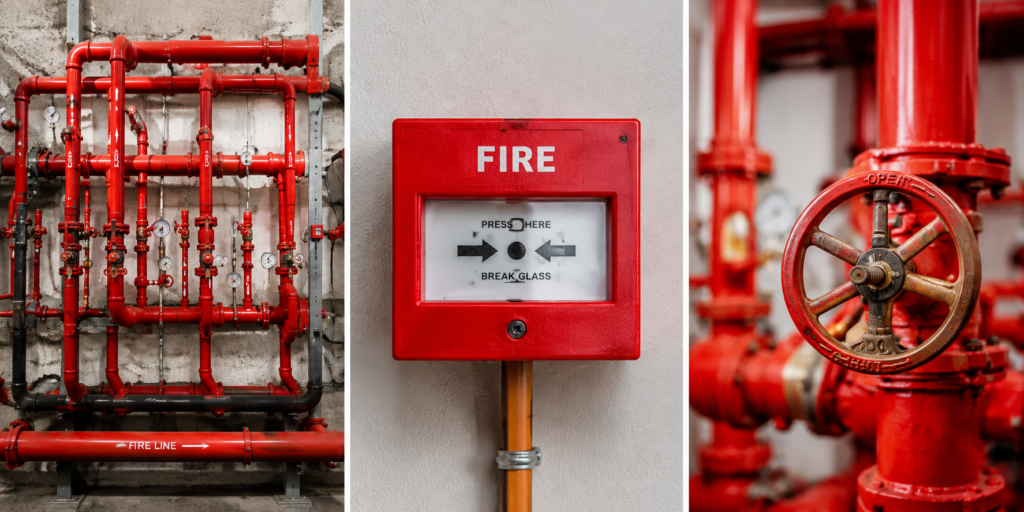
A fire fighting system is a network of equipment designed to deliver water or other fire-suppression resources quickly when a fire occurs.
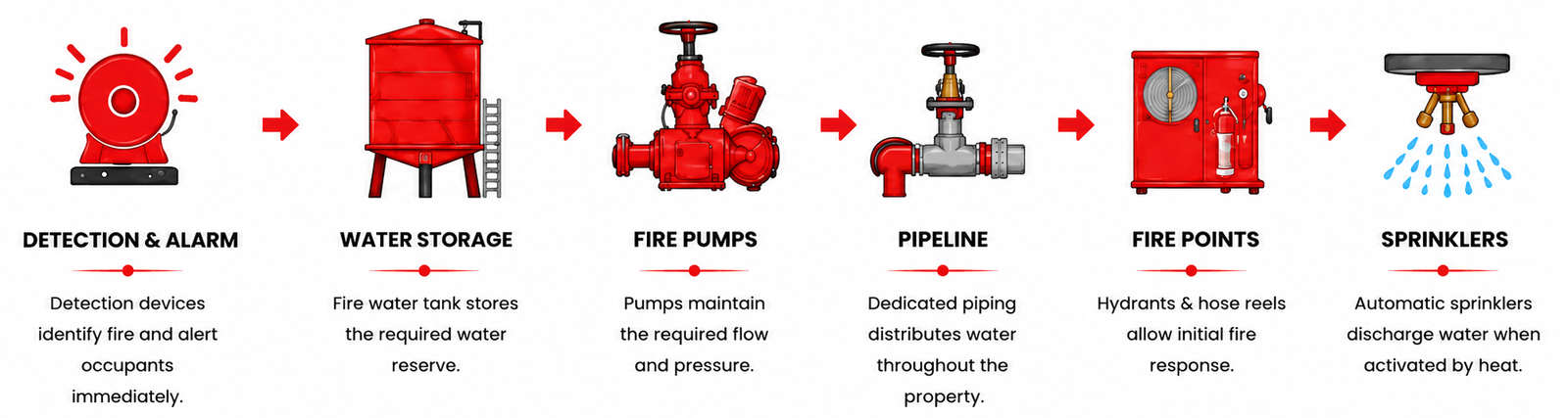
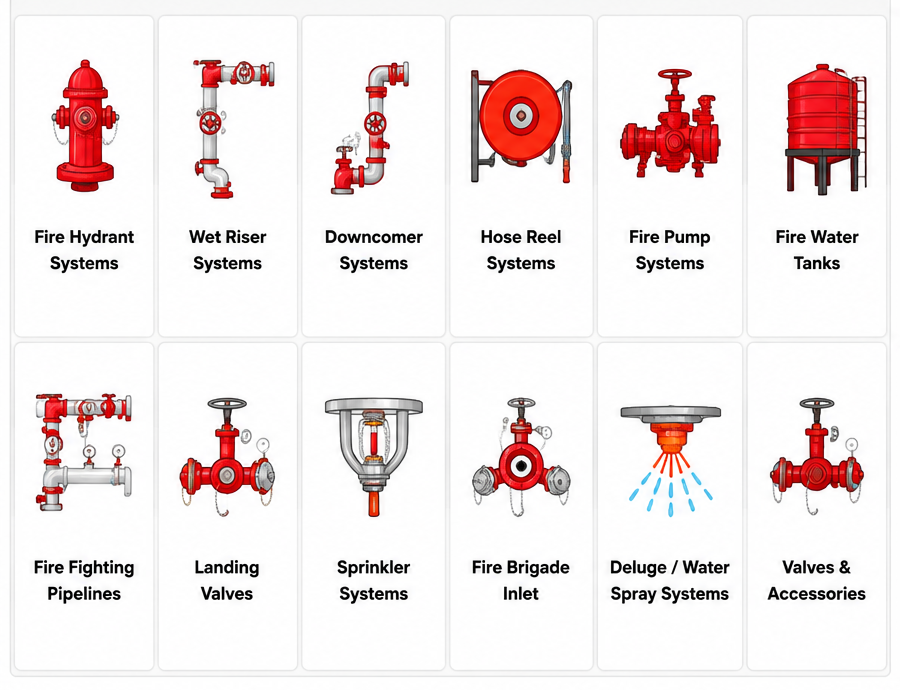
COMPLETE FIRE PROTECTION SYSTEMS WE INSTALL
FIRE FIGHTING SYSTEMS
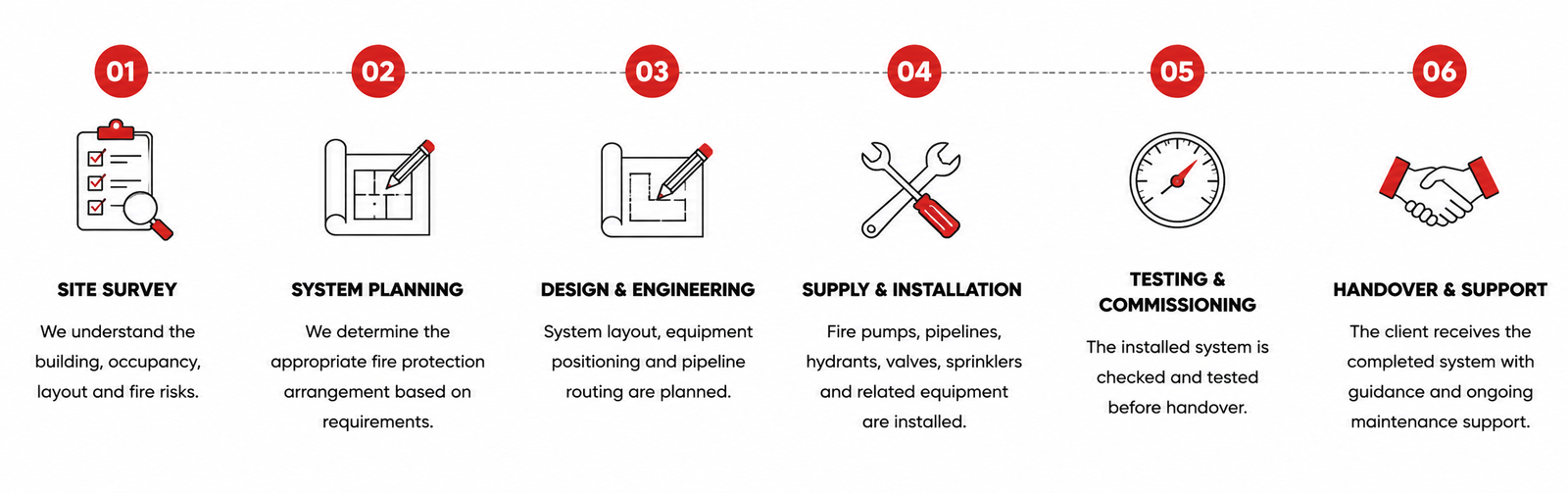
OUR INSTALLATION PROCESS
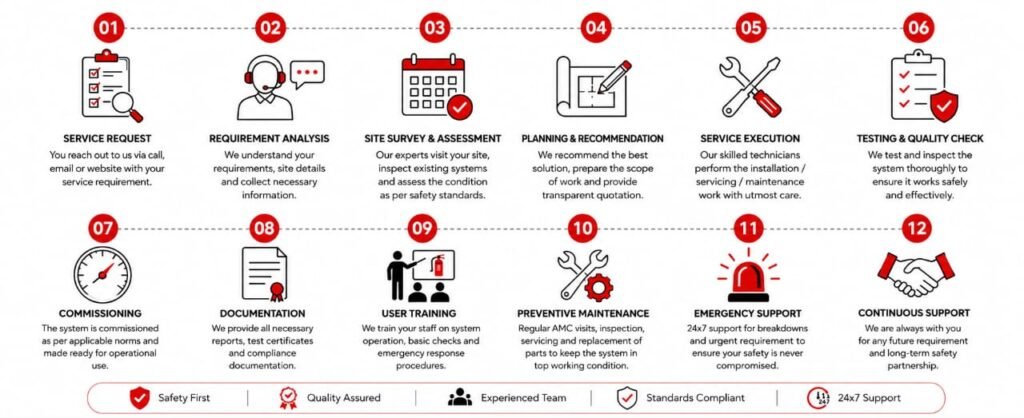
OUR service process
Complete Fire Fighting Solutions—Safe Today, Secure Tomorrow
Where We Install
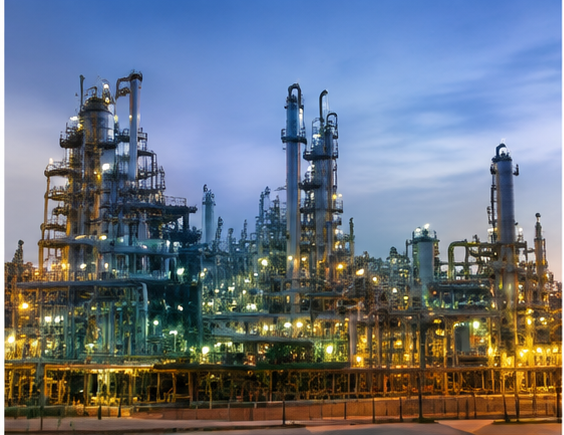
Industrial Plants

Commercial Building

Hospital

School & Institute

Residential Society
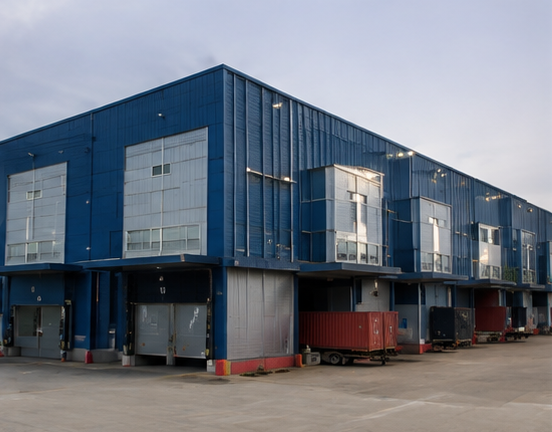
Warehouse
WHY PROFESSIONAL INSTALLATION MATTERS
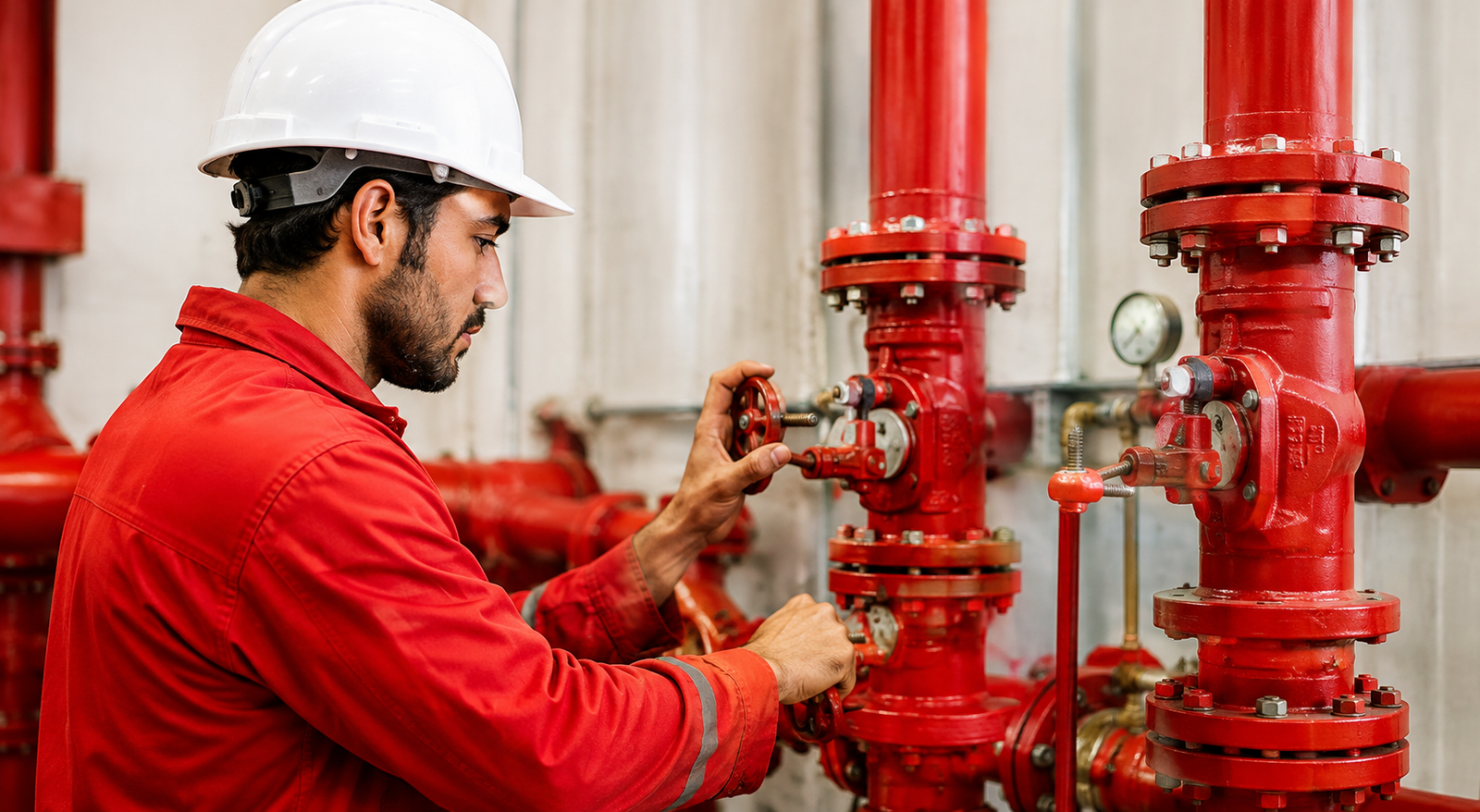
Correct System Selection
The system should match the property's risk and requirements.
Proper Installation
Equipment and piping need to be installed correctly.
Reliable Water Flow
Pumps, tanks and pipelines need to perform as intended.
Testing & Maintenance
A system should not simply be installed and forgotten.
STANDARDS & SAFETY
Our fire protection systems are designed and installed in consideration with applicable Indian Standards and Maharashtra Fire Safety requirements.
- IS 3844 – Installation of Internal Fire Hydrant & Hose Reel Systems
- IS 15105:2021 – Fixed Automatic Sprinkler Systems
- IS 13039 – Fire Fighting Pumps & Equipment
- IS 2189 – Fire Detection, Alarm & Emergency Systems
- As per National Building Code (NBC) & Local Fire Department Norms
FREQUENTLY ASKED QUESTIONS
What is included in a fire fighting system?
A firefighting system typically includes fire water storage tanks, fire pumps, piping networks, hydrants, hose reels, sprinklers, valves, and related firefighting equipment. Depending on the building and fire risk, the system may also include detection and alarm systems, wet risers, downcomers, yard hydrants, and deluge or water-spray systems. The exact combination is determined by the building’s occupancy, size, layout, and applicable fire-safety requirements.
Do you provide fire fighting system maintenance after installation?
What is the difference between a hydrant and sprinkler system?
A fire hydrant system provides a controlled water supply through hydrants and hose reels for firefighting, while a sprinkler system automatically releases water from sprinkler heads when heat reaches the operating temperature of the sprinkler. In simple terms, hydrants are generally used by trained personnel for active firefighting, while sprinklers provide automatic fire suppression at the affected area. Automatic sprinkler design and installation in India are covered by IS 15105.
Do all buildings require the same fire fighting system?
No. Fire-fighting requirements vary according to the building’s occupancy, height, area, layout, fire load and level of risk. A residential building, hospital, commercial property, warehouse and industrial facility may require different combinations of hydrants, sprinklers, fire alarms, pumps, tanks and other protection systems. Fire-safety provisions are addressed through the National Building Code and applicable local requirements.
How is a fire fighting system designed for an industrial building?
How often should a fire fighting system be tested?
A fire fighting system should be inspected, tested and maintained at intervals appropriate to the system, equipment, building risk, applicable standards and local fire-safety requirements. Testing can include pumps, hydrants, valves, hose reels, sprinklers, alarms and other components. There is no single testing interval that applies identically to every building, so the maintenance schedule should be established for the specific installation and followed consistently.